
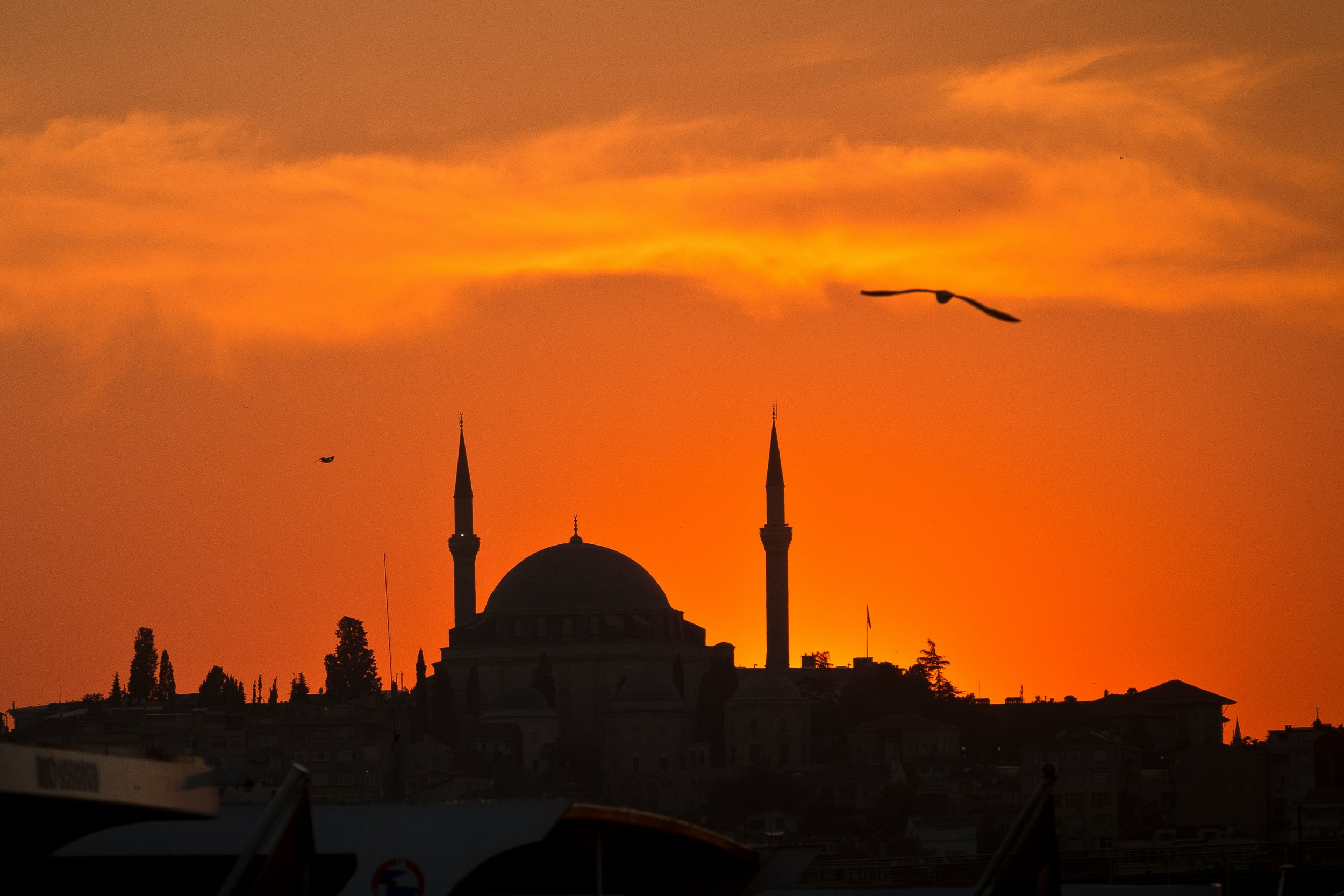
Ramadan FAQ
Ramadan is the ninth month of the Islamic lunar calendar and the holiest month in Islam. During this month, Muslims focus on spiritual growth, self-discipline, charity, and strengthening their relationship with God.
-
Fasting during Ramadan is one of the Five Pillars of Islam — the core practices of the faith. Muslims fast to:
Develop self-discipline
Practice gratitude
Grow spiritually
Build empathy for those experiencing hunger
Fasting is both a physical and spiritual practice. -
From dawn to sunset, healthy adult Muslims do not eat or drink — including water. They also refrain from smoking and marital relations during fasting hours.
The fast is broken at sunset with a meal called iftar.
-
No. Islam provides exemptions for:
Children
Elderly individuals
People who are ill
Pregnant or nursing women
Travelers
Those who are unable to fast may make up the days later or provide charitable support instead
-
Qur’an is the holy book of Islam. Muslims believe its first verses were revealed during Ramadan to the Prophet Muhammad over 1,400 years ago.
Many Muslims aim to read or listen to the entire Qur’an during the month.
-
Suhoor is the pre-dawn meal before fasting begins.
Iftar is the evening meal that breaks the fast at sunset.
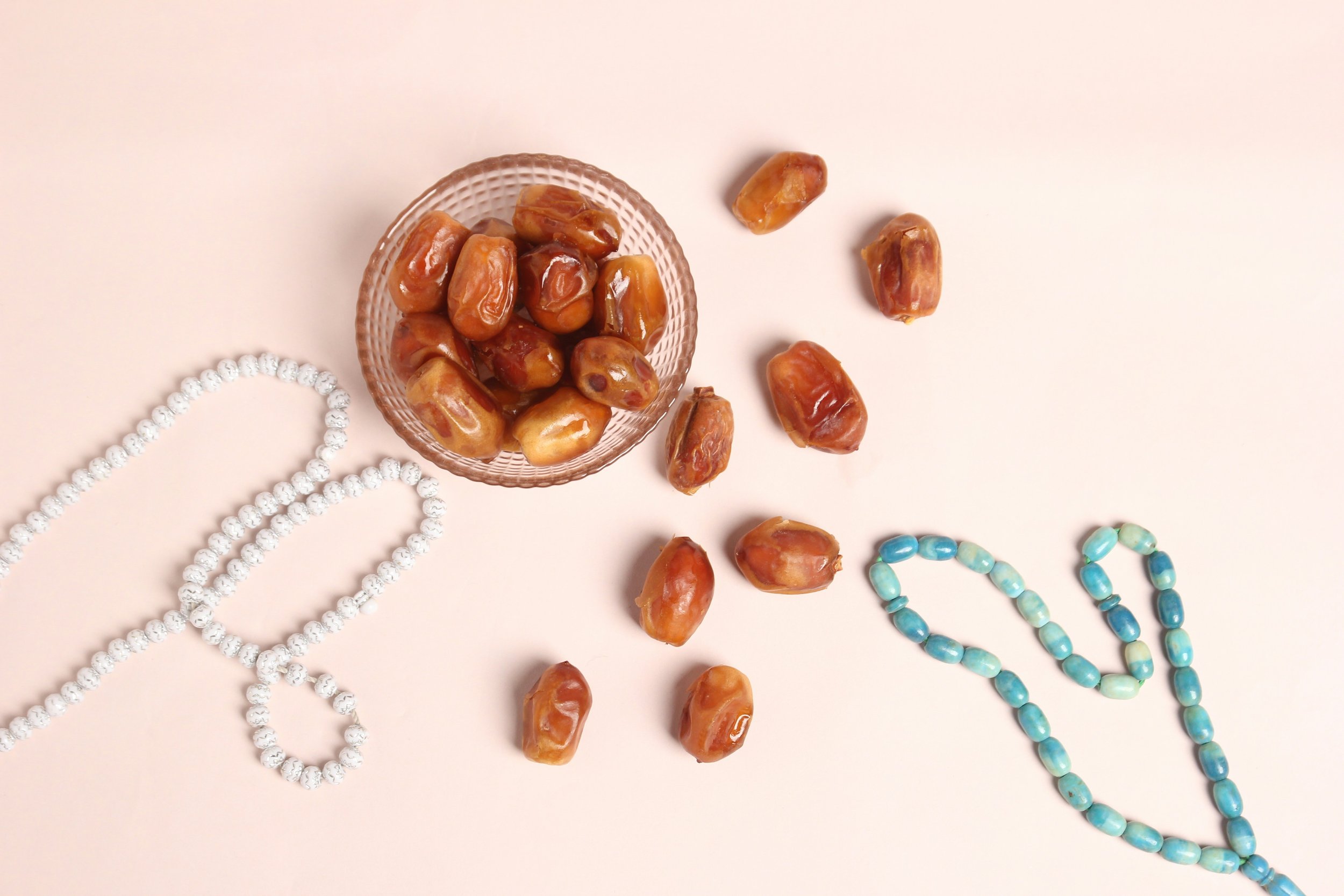
Many Muslims traditionally break their fast with dates and water before sharing a larger meal with family or community members.
-
Laylat al-Qadr, or the “Night of Power,” occurs during the last ten nights of Ramadan. Muslims believe it marks the beginning of the Qur’an’s revelation and is a night of special prayer and reflection.
-
Ramadan concludes with Eid al-Fitr, the “Festival of Breaking the Fast.”
Eid includes:
A special congregational prayer
Family and community gatherings
Shared meals and sweets
Gift-giving
Acts of charity
It is one of the two major holidays in Islam.
-
Ramadan follows the Islamic lunar calendar, which is about 11 days shorter than the solar (Gregorian) calendar. As a result, Ramadan shifts earlier each year and rotates through different seasons over time.
-
You can show support by:
Being mindful that some people may be fasting during daylight hours
Offering a friendly “Ramadan Mubarak” (Blessed Ramadan)
Accepting invitations to iftar
Approaching the month with curiosity and openness